


TrustRadius, an HG Insights Company, Names Over 100 Companies Making a Difference to 2026 Tech Cares Awards
TrustRadius, an HG Insights company, has announced the winners of the 2026 Tech Cares Awards, now in its seventh year. The companies on this list put people, the planet, and ethics at the center of how they operate, and they’ve got the programs and numbers to back it up.
This year’s recognition covers:
- Sustainability and the environment
- Volunteerism
- Diversity, equity, and inclusion
- Generous donations
- Community impact
- Employee well-being and development
- Support for women in technology
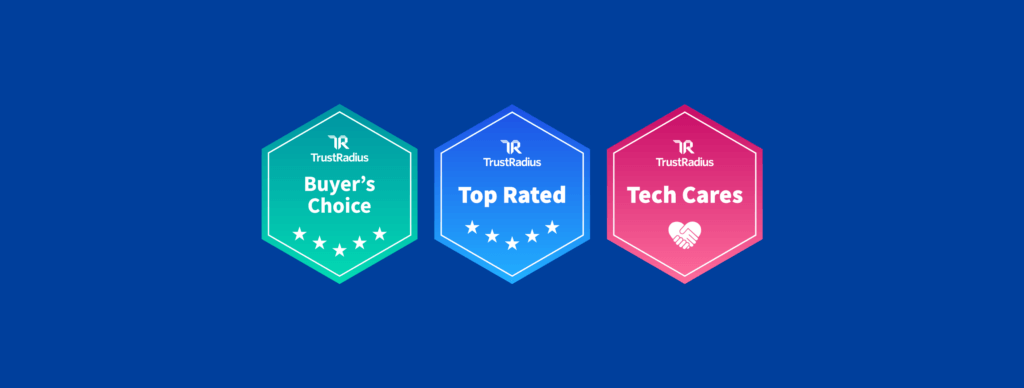
Each winner gets a badge to use on its website, social channels, and marketing materials. If you see it, the company earned it.
We received a strong, wide-ranging set of nominations this year. Congratulations to the companies recognized below for the work behind these numbers.
This year’s submissions show real progress across corporate social responsibility (CSR) in B2B tech: more companies giving back, more support for women in tech, and more serious investment in sustainability than last year.
Sustainability and the environment
These companies treat sustainability as ongoing work, not a line item. Here are a few highlights from this year, from cutting emissions to funding reforestation.
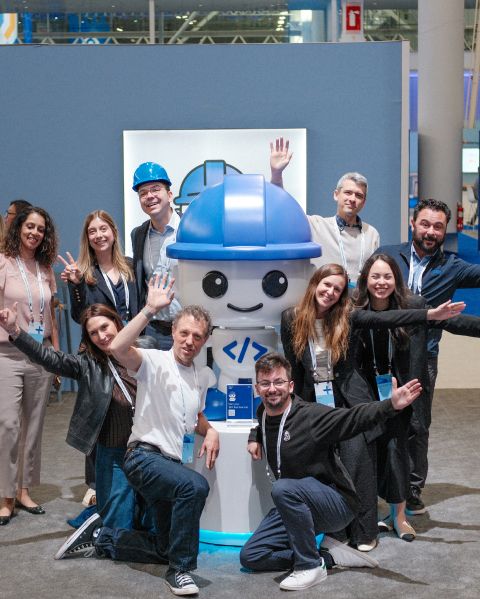
- IBM: IBM integrates environmental responsibility directly into its operations and business strategy, running global environmental management programs across climate, energy efficiency, emissions reduction, biodiversity, waste management, and supply chain responsibility. In 2025 alone, IBM implemented 634 internal projects across its global operations to optimize space, modernize infrastructure, and improve data center cooling efficiency, and it transitioned 44 data centers to being powered by 100% renewable electricity.
- BMC Software: Through its #GoGreenwithBMC program, BMC planted 42,710 trees in FY25 (175,867+ to date), storing an estimated 6,293 tons of CO2. Its Seabin ocean restoration partnership captured an estimated 47 million microplastics and 87 million plastic items, filtering more than 950 million liters of water, while a companion initiative with Ocean Blue Project removed 10,000 pounds of plastic debris from U.S. coastlines. BMC also holds ISO 14001 and ISO 50001 certifications and is converting its global vehicle fleet to plug-in hybrids by FY29, part of a 2030 net-zero roadmap validated by the Science Based Targets initiative.
- Celonis: Celonis has aligned its climate strategy with the Science Based Targets initiative, committing to cut absolute Scope 1 and 2 emissions 42% by FY2031 and Scope 3 emissions from business travel 51.6% per employee over the same period. The company’s 2025 CDP submission improved its overall climate score from a C to a B, with an A- Supplier Engagement Assessment for its work pushing suppliers toward their own science-based targets.
- Genesys: In its 2026 fiscal year, Genesys cut emissions by 15% organically, without relying on carbon offsets, as part of a goal to reach full carbon neutrality by 2030. The Genesys Cloud platform has been carbon neutral for several years now, and the company’s flexible-first work model let it cut overall office square footage by more than 112,000 square feet, or roughly 25%, lowering both energy use and operating costs.
- TeamViewer: A third-party study found that TeamViewer customers avoided 41 million tons of CO2 emissions in one year through its solutions. TeamViewer has also been named on CDP’s Supplier Engagement A-List within recent years, placing it in the top 6% of more than 22,700 companies evaluated globally, and has cut its own Scope 3 emissions 15% within that same period as part of its published c-a-r-e sustainability framework.
Volunteerism
Several winners built volunteering into how employees actually spend their time, not just an occasional day off. Here’s some of what that looked like this year.
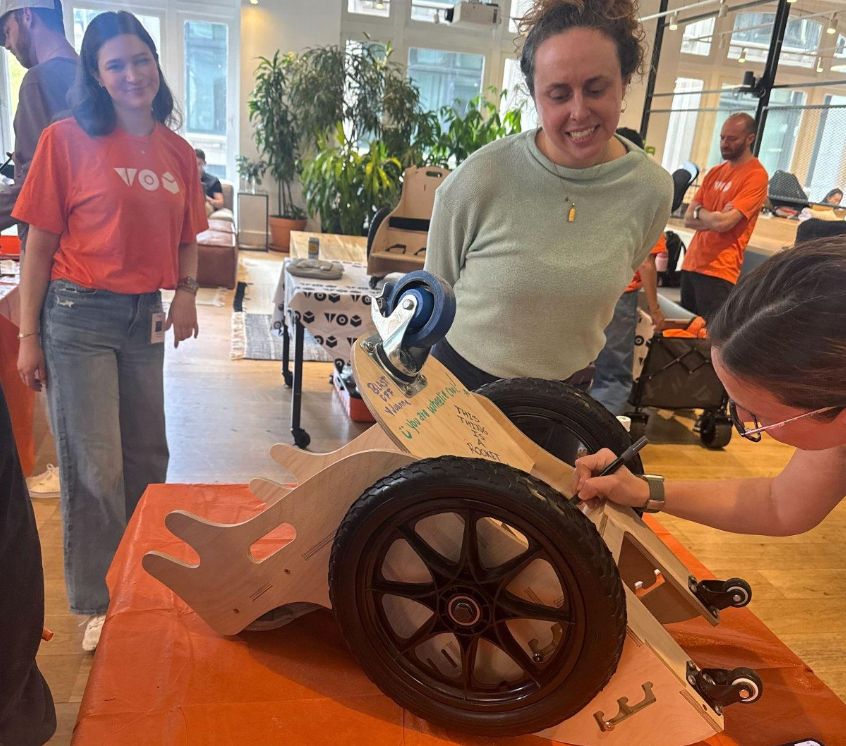
- Riskified: Riskified Cares, the company’s global social impact program, ran a year of hands-on volunteering across its offices: building toddler mobility trainers with Tikkun Olam Makers in New York, crafting therapeutic heating pillows for trauma survivors in Tel Aviv, packing meals for food-insecure families in Melbourne, refreshing a school for children with disabilities in Tokyo, and supporting an animal shelter in Shanghai. In 2025 alone, 197 employees contributed 1,248 volunteer hours across 30 nonprofit partners, reaching approximately 2,000 people directly, and the pace has continued into 2026.
- GoTo: Through GoTo Gives, employees get two fully paid Volunteer Time Off days each year to support causes across the company’s three impact pillars: Education & Youth, Environmental Stewardship, and Community Action. Over the past year, GoTo Gives volunteers took part in more than 60 volunteer experiences globally alongside two dozen nonprofit partners, coordinated by a GoTo Gives Global Committee that partners with the company’s Inclusion & Belonging Employee Resource Groups.
- InEight: InEight in Action gives every employee 16 paid volunteer hours a year, organized around access to food, care, and STEAM education. During its annual Month of Stewardship, InEight’s Australian team packed 18,400 meals with FoodBank Australia, beating its total from the previous year, while its North American team hosted an annual volunteer day at St. Mary’s Food Bank to pack more than 1,000 food boxes for families facing food insecurity.
- Direct Travel: Through Direct Impact Hours, employees get paid time to volunteer with causes they care about. In 2026 alone, they’ve already logged more than 930 volunteer hours across North America and beyond, including 648 hours from 179 participants outside North America, with health and research organizations accounting for 45% of hours logged outside the region.
- VAI (Vormittag Associates, Inc.): Each year, VAI employees organize the company’s Annual Thanksgiving Food Donation and Turkey Gift Drive in partnership with The Presbyterian Church of Islip, Long Island. In 2025, the drive provided complete Thanksgiving meals to more than 50 families, helping feed approximately 225 people. It’s part of a giving-back culture VAI has built over more than 45 years of direct, U.S.-based customer support.
Diversity, equity, and inclusion (DEI)
For these companies, DEI shows up in employee resource groups, conference sponsorships, and day-to-day programming, not just a page on their website.
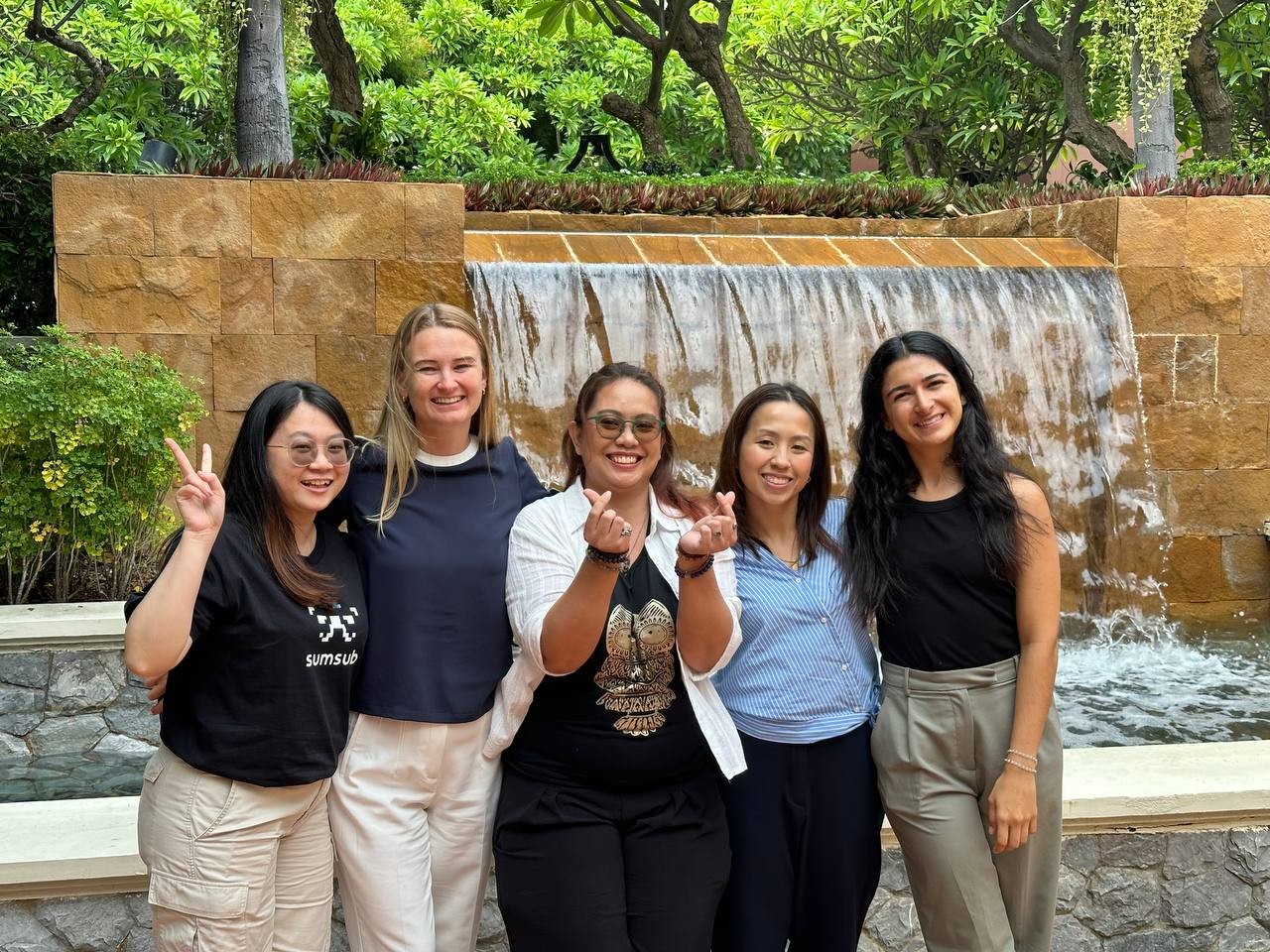
- Sumsub: Sumsub employees represent more than 50 countries, and women make up 47% of its workforce. Sumsub reports that 92% of employees say they’re proud to be part of the team and 90% say their work is interesting and challenging, results the company attributes to hiring purely on professional skill and offering competitive, equitable compensation.
- Avalara: Avalara sponsors six employee-led resource groups (ACCESS, HOLA, PRISM, Ujima, VoA, and WoA) built around belonging, growth, empowerment, and innovation. The company also sponsors employees to attend inclusion-focused conferences including Afrotech, the Grace Hopper Celebration, and Lesbians Who Tech, extending its DEI work beyond internal programming and into the wider industry.
- Certinia: CertiniaCares, the company’s employee-driven giving program, pairs volunteer time off with a Season of Giving that donated more than $21,000 to employee-chosen organizations in 2025, including Girls Who Code and Habitat for Humanity. Certinia’s employee resource groups anchor its “Each Other’s Champion” value, partnering with the business to launch educational and enablement series that give employees a real say in their own development.
Generous donations
Some winners backed their values with real money. Here’s where a few of those dollars went.
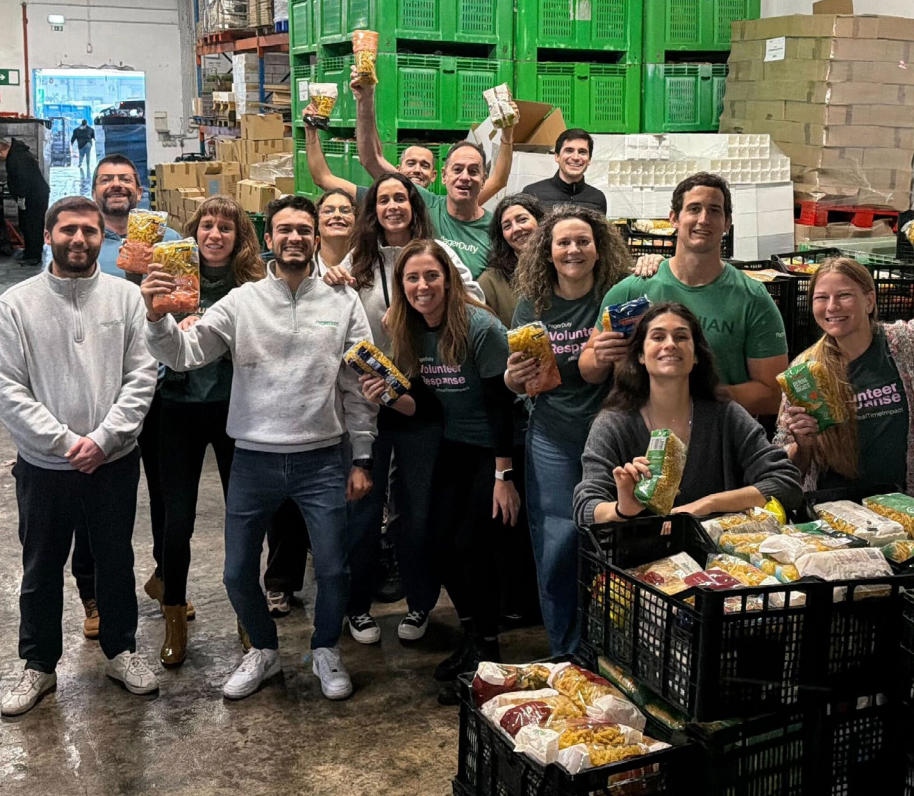
- PagerDuty: Through PagerDuty.org, the company supported 650 impact customers in FY26, an 11% increase over the prior year, while providing $3.1 million in product donations and discounts, up 41% year over year, plus $1.5 million in direct philanthropic funding. Partner organizations include Crisis Text Line, Mercy Corps, World Central Kitchen, and Watch Duty, all of which rely on PagerDuty’s platform to keep critical operations running.
- UpSlide: UpSlide’s founders pledged €10 million in impact investments through 2030. By the end of 2025, €4.6 million had already been deployed across 12 companies working on renewable energy infrastructure, regenerative agriculture, carbon measurement tools, and social housing.
- Aptean: Through the Aptean ACARE program, employees donated close to 150 units of blood over the past year and helped distribute nearly 100,000 midday meals to communities in need. The team also supported 20 beneficiaries from tribal communities with nursing and skills training that helped them collectively earn approximately $5,000, and extended support to roughly 60 specially-abled and HIV-impacted children each year through Manonandana and Desire NGO.
Community Impact
These companies looked past their own four walls, funding job training, mentorship, and access programs in the communities where they operate.
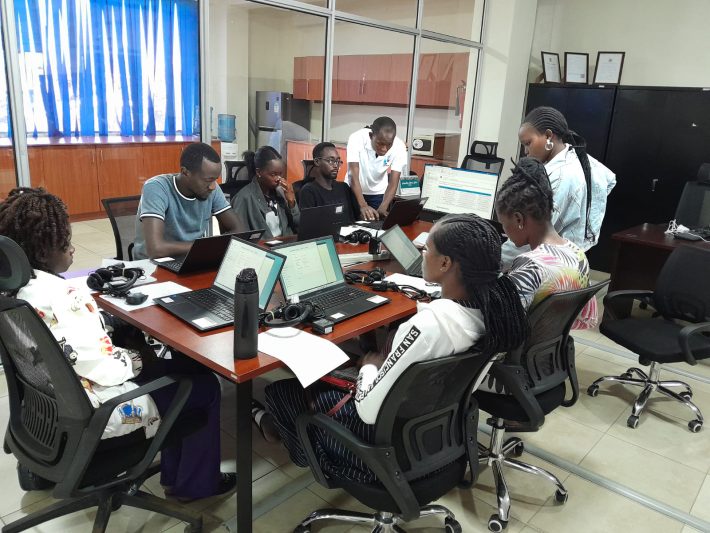
- Syncfusion: In August 2025, Syncfusion launched Skill-Up Kenya, a free digital-skills training program for recent secondary-school graduates in Kisumu. In less than a year, the company ran 21 training batches, welcomed 540 applicants, saw 473 complete the program, and extended employment offers to 33 graduates.
- Motive: In 2025, Motive made its safety and fleet-management platform easier to access for more than 50,000 public-sector agencies and 43,000 nonprofits across North America, giving them a pre-negotiated path to modernize fleets and use taxpayer dollars more effectively.
- TriNet: TriNet Ascend, the company’s initiative to develop the next generation of sales professionals, has expanded to regional hubs across the U.S., and its new Atlanta Center is expected to produce 750 new jobs between 2025 and 2030.
- ScienceLogic: Since the 2019–2020 school year, ScienceLogic has served as an official Ignite Partner with Fairfax County Public Schools through the MentorWorks program, with employees volunteering as mentors to help students build confidence and explore future career paths at Hunters Woods Elementary School and the South Lakes Pyramid.
- Articulate: Articulate launched the inaugural edition of On Purpose, a publication spotlighting how its customers use e-learning to drive change. The launch reached more than 112,000 email recipients with a 30.1% open rate and engaged audiences in 10 countries, while Articulate also doubled its annual Cash for Change grantmaking to fund nonprofit partners directly.
Employee well-being and development
Taking care of employees looked different at every company on this list, but the common thread was real investment, not just a wellness stipend.
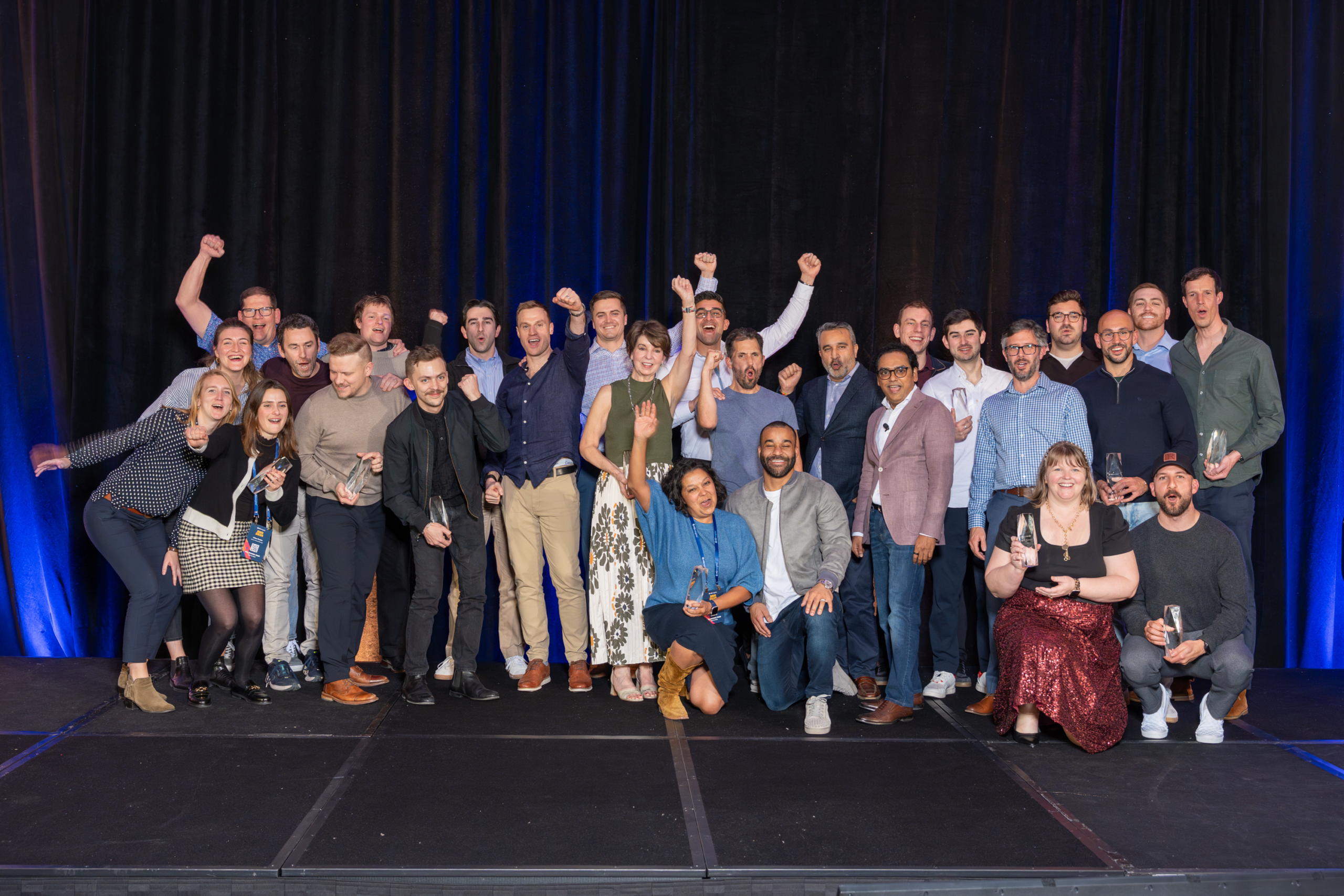
- HG Insights: HG Insights gives every employee an annual learning allowance to support continuous growth, with an even higher stipend specifically for women leaders to fund advanced skills development and outside conferences, pairing professional development with a wellness benefit that covers gym memberships, running shoes, and sports equipment.
- Cisco: Cisco supports employee well-being through benefits spanning wellness initiatives, time away, and family support, with “Women of Cisco” spotlighting women’s professional journeys across the company. On education, Cisco’s strategy expands access to quality education and digital skills using philanthropic funding, technology expertise, and strategic partnerships with students, teachers, and schools.
- Precoro: Precoro, a Certified B Corporation with a B Impact Score of 86.1 against a 50.9 median, kept every employee covered through Russia’s full-scale invasion of Ukraine, including housing support for displaced staff, and opened an EU hub in Warsaw so people could keep working safely. The company holds a 5.0 out of 5 rating on Glassdoor, with 100% of reviewers saying they’d recommend working there.
- Absorb Software: Absorb’s employee engagement survey hit record participation this year with 532 employees responding, up from 483 the year before. Even in the middle of a major product transformation, 93% of employees said they’re treated with respect, 92% said their manager is invested in their well-being, and 90% said they trust their managers.
- LambdaTest: LambdaTest’s partnership with the SETU Foundation pairs employee volunteers with students for personalized career coaching, mock interviews, and hands-on technology days, including sessions on tools like GPT and Canva meant to make the tech industry feel more accessible and achievable.
- Vertex, Inc.: Vertex backs employee well-being with a full benefit stack that includes SupportLinc for confidential counseling, Wellhub for flexible fitness access, Carrot for family-forming and fertility support, and Care.com for child, adult, and pet care, plus weekly mindful sessions through its THRIVE program. To further their education, Vertex team members have access to Workday Learning, LinkedIn Learning, and Vertex University, alongside structured leadership programs that build skills in communication, decision-making, and team leadership.
Support for women in technology
These companies are putting real programs and budgets behind closing the gender gap in tech.
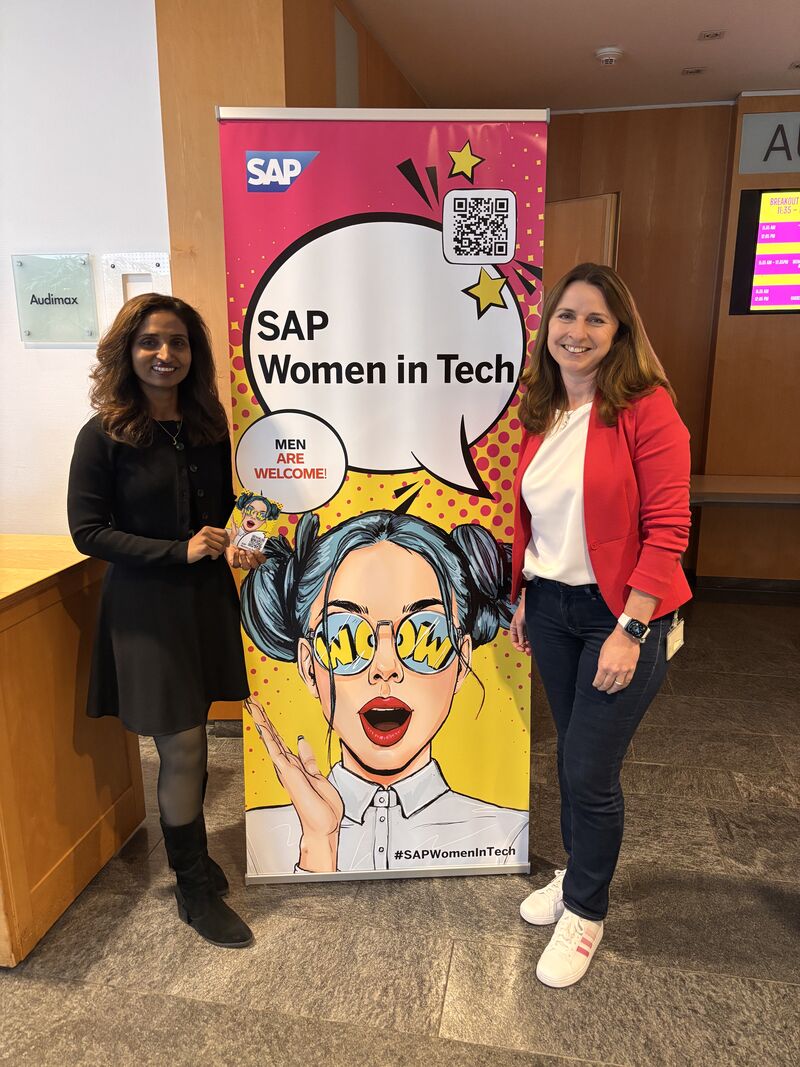
- SAP: SAP Türkiye partnered with Wtech on “Strong Women, Digital Tomorrows,” training women in Python, AI, machine learning, and data analysis — the 2025 cohort added 34 graduates, bringing the program total to 115 women. In Ukraine, SAP backed the “Girls STEM” initiative, offering mentoring, training, and hackathons for girls and young women. In Brazil, SAP Labs launched a free 2025 program preparing 30 women for tech careers through technical training, mentoring, and language development.
- INFUSE: As of 2026, INFUSE’s Client Success organization (a function the demand-generation industry didn’t have until the company’s Larysa Zakirova pioneered it in 2015) is 94% women, and three of the company’s eight executive leaders are women. The team’s Demand Accelerator analytics platform was built and is led by Anna Komleva, Director of Business Intelligence and Strategic Projects, atop a female-led project team.
- Acumatica: Acumatica’s AcumatiCares program includes a dedicated Women in Technology Program with an active online community, pay-equity webinars, and an annual Women in Tech Luncheon that drew more than 600 attendees at Summit 2026, its biggest turnout yet. Acumatica also sponsors LPGA champion Lilia Vu and partners with the LPGA on a scholarship program supporting young women pursuing careers in technology.
- Vasion: Vasion’s female employee attrition has dropped year over year, a shift the company credits to doubled parental leave, dedicated women’s spaces at its St. George headquarters, and flexible hybrid work. Its Women in Tech community stays visible year-round through a monthly newsletter, a recurring Coffee Hour on leadership and imposter syndrome, and a February “Why I Love Tech” campaign that shares employees’ love letters to the industry with local schools to inspire the next generation of women in STEM.
That’s a sample of the 100+ companies on this year’s list. Here are all the 2026 Tech Cares Award winners, in alphabetical order: